Background
Lenskart's company was incorporated in 2008 as Valyoo Technologies Private Limited by Peyush Bansal, Neha Bansal, Amit Chaudhary and Sumeet Kapahi. It began selling eyewear online in India in 2010 and opened its first physical store in New Delhi in 2013, according to the company.
The idea was "Eyewear for All": making good-quality glasses accessible and affordable. Buying glasses in India usually meant visiting a local optician, with limited choice, prices that varied from shop to shop and little information about lens quality.
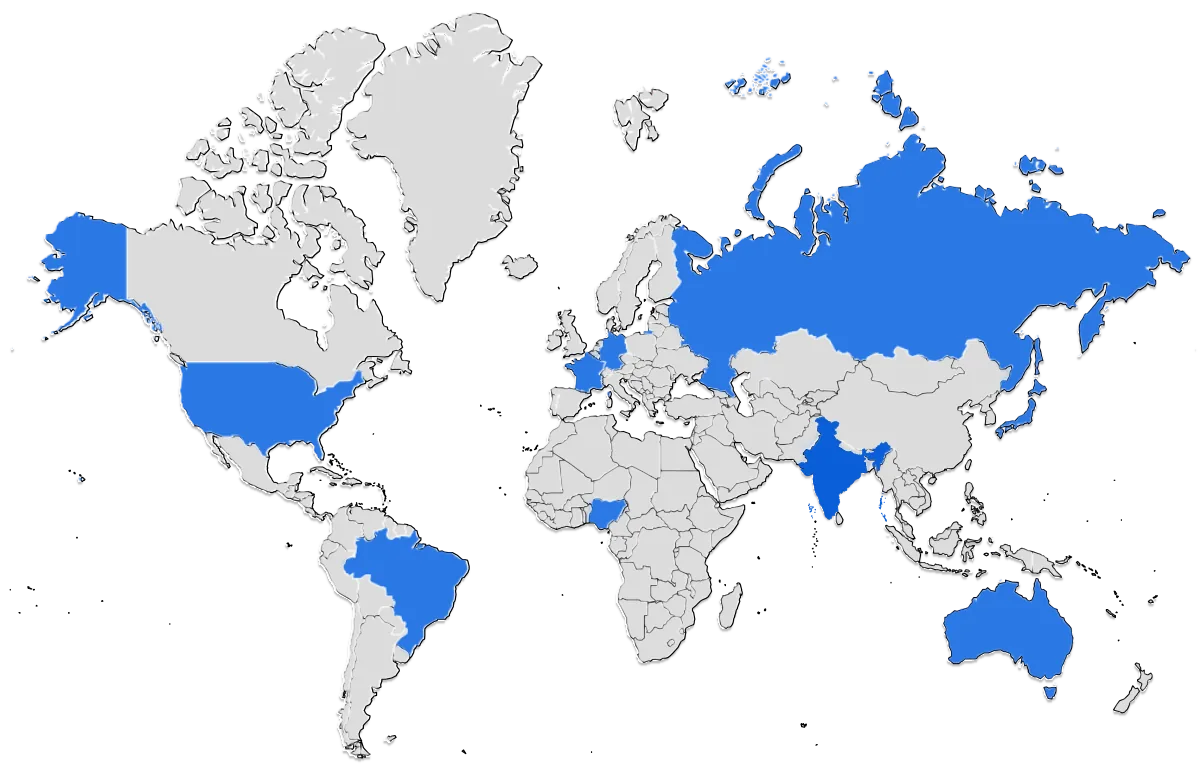
Lenskart describes itself as a technology-driven eyewear company. It now sells prescription glasses, sunglasses, contact lenses and accessories through its stores, website and apps in 14 countries. Peyush Bansal is Chairman, Managing Director and CEO.
The challenges
Glasses are hard to buy online
Customers want to see how frames look on their face, and prescription lenses need an eye test. Both normally happen in a shop, which limits how far a purely online business can grow.
Quality and speed depend on manufacturing
Each pair of prescription glasses is made to order. If lenses are cut and fitted by outside labs, a retailer has little control over quality, cost or delivery time.
Reaching beyond big cities
A national eyewear brand needs to serve smaller towns as well as metros. That means many stores, trained staff and stock in the right places.
Keeping online and offline in step
Once a brand sells through both an app and stores, customers expect the same prices, products and order history everywhere. Without shared systems, the two channels compete instead of helping each other.
How they grew
Bring the try-on to the phone
Lenskart's app and website offer a virtual try-on that uses augmented reality to show how frames look on a customer's face. In September 2017, Lenskart invested US$1 million for a minority stake in Ditto, a US company providing 3D face-modelling technology it had used since 2016. Peyush Bansal said at the time that the feature saw more than 10,000 trials a day (Inc42).
Move the eye test closer to the customer
Lenskart's technology page lists remote eye checks (remote optometry) and self-screening tools. Reducing the friction of getting a prescription removes the main reason customers have to visit a shop.
Make its own glasses
Lenskart built centralised manufacturing. According to its draft prospectus, reported by Inc42, its plants in Bhiwadi (Rajasthan) and Gurugram (Haryana) produced 1.3 crore units in FY25, about 70% of its global prescription eyewear sales. Prescription eyeglasses make up over 80% of its operating revenue, so controlling that production controls most of the business.
Open stores, but run them on the same system
From its first store in 2013, Lenskart expanded rapidly, mainly in India, then in Asia and the Middle East. Its technology page describes how store inventory is integrated with online inventory, and how in-store tools include queue management and browsing of the full online catalogue. Customers can complete a purchase online, in a store or at home. In December 2024, the acquisition of Dealskart added 1,606 stores to its network.
Reward repeat customers
Its loyalty programme, Lenskart Gold, had 67.7 lakh members by March 2025. Glasses are not an everyday purchase, so keeping a customer for the next purchase matters as much as winning the first.
Where they are now
According to its draft prospectus (reported by Inc42), Lenskart's operating revenue in FY25 was ₹6,652.5 crore, up 22.5% from ₹5,427.7 crore in FY24. It reported a net profit of ₹297.3 crore, compared with a net loss of ₹10.1 crore a year earlier. It served 1.24 crore customer accounts and sold 2.72 crore eyewear units worldwide in FY25.
As of 31 March 2025, it ran 2,723 stores: 2,067 in India and 656 abroad, including 267 in Japan. In India, 75.8% of sales came through physical stores, 12.6% through Lenskart's own website and apps, and 11.6% through third-party online platforms.
Lenskart listed on the stock exchanges in November 2025 after a ₹7,278 crore IPO priced at ₹402 per share, which was oversubscribed 28.26 times. Shares opened slightly below the issue price and closed the first day at ₹403.3 on the BSE, valuing the company at about ₹69,967 crore (Inc42).
Lessons for your business
- Remove the reason customers cannot buy online. For glasses it was trying frames and getting an eye test. Find the step that forces your customers offline and see whether a feature (virtual try-on, video consultation, home visit booking) can replace it.
- Partner for specialist tech, then own the experience. Lenskart used Ditto's 3D technology rather than building it from scratch, but kept the customer journey in its own app. Use proven APIs for hard problems and spend your budget on what makes you different.
- One inventory, every channel. Lenskart's stores and app share stock and orders. If you sell in a shop and online, connect both to one system so customers see accurate availability everywhere.
- Stores can be your biggest app channel. Most of Lenskart's Indian sales still happen in stores. Use the store visit to get customers onto your app with accounts, digital receipts and loyalty points.
- Control the part that decides quality. Making its own lenses gave Lenskart control of cost and delivery time. Identify the step that most affects customer satisfaction in your business and keep it close.
- Plan for the second purchase. A loyalty programme turns occasional buyers into repeat customers. Build reminders and rewards into your app from launch. If you want to connect your stores, stock and app, talk to us.