In 2026, healthcare app development is no longer just about building software; it is about architecting trust. Whether you are building a telemedicine platform, a patient portal, or a chronic disease management tool, the barrier to entry is high—not just due to technical complexity, but due to the rigid regulatory landscape.
At Appspine, we bridge the gap between innovation and security. Here is what you need to know to succeed in the digital health sector this year.
1. The Regulatory Non-Negotiables
Compliance isn't an "add-on" you can implement after launch; it is the foundation of your architecture. In 2026, the regulatory landscape is more stringent than ever:
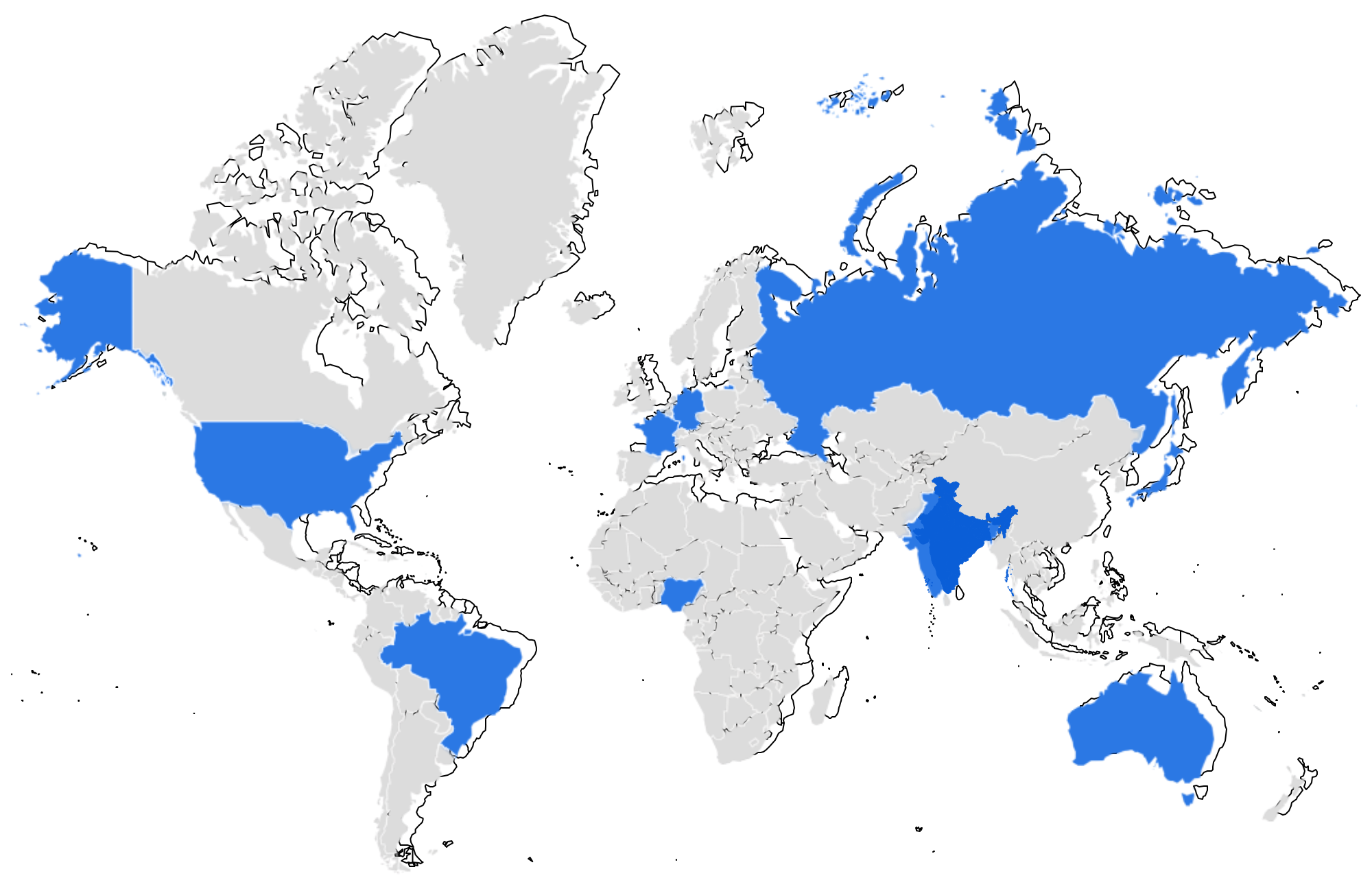
- HIPAA (USA): Mandatory for handling Protected Health Information (PHI). This requires strict administrative, physical, and technical safeguards.
- DPDP Act (India): If you handle data of Indian residents, compliance is mandatory regardless of your company size or location.
- Security by Design: Retrofitting compliance into a finished app costs 3–5X more than building it from the start.
2. Essential Features for a Modern Healthcare App
To ensure your app is both user-friendly and clinically viable, it must include these core features:
- Secure Authentication: Multi-factor authentication (MFA) is non-negotiable. Use biometric locks (FaceID/Fingerprint) for instant, secure access.
- EHR/EMR Integration: Use standardized protocols like HL7 or FHIR to ensure your app talks seamlessly to existing hospital systems.
- Audit Trails: Every access, change, or deletion of patient data must be logged in an immutable, write-protected store to ensure transparency and accountability.
- Emergency Access: Authorized personnel must be able to access critical patient data in crisis situations, even if standard systems are down.
- End-to-End Encryption: All data must be encrypted at rest (AES-256) and in transit (TLS 1.3).
3. Why Domain Expertise Matters
Building a healthcare app is a "marathon, not a sprint." You aren't just hiring developers; you are hiring a team that understands:
- Data Privacy: Knowing the difference between PHI and non-sensitive health data.
- Workflow Optimization: Clinicians spend 30-40% of their time on administrative tasks; your app should reduce this, not add to it.
- Scalability: Your architecture must be ready to handle spikes in traffic during health crises or wide-scale adoption.
4. The Appspine Advantage: Business-First Engineering
At Appspine, we don’t just write code; we partner with you to ensure your digital health product thrives.
- Compliance-First Architecture: We build your app with automated compliance scans and audit trails from day one.
- Scalable Foundations: We architect for 10x growth, ensuring your platform doesn't crumble when your patient base expands.
- Full-Stack Expertise: From HIPAA-compliant backends to intuitive patient-facing mobile interfaces, we provide a unified experience.
5. Summary Checklist: Choosing a Partner
Before selecting a development company, ensure they can answer "Yes" to:
- Have they built HIPAA/DPDP-compliant software before?
- Do they sign a Business Associate Agreement (BAA)?
- Can they provide evidence of automated security and audit testing?
- Is their team experienced in healthcare interoperability ?